
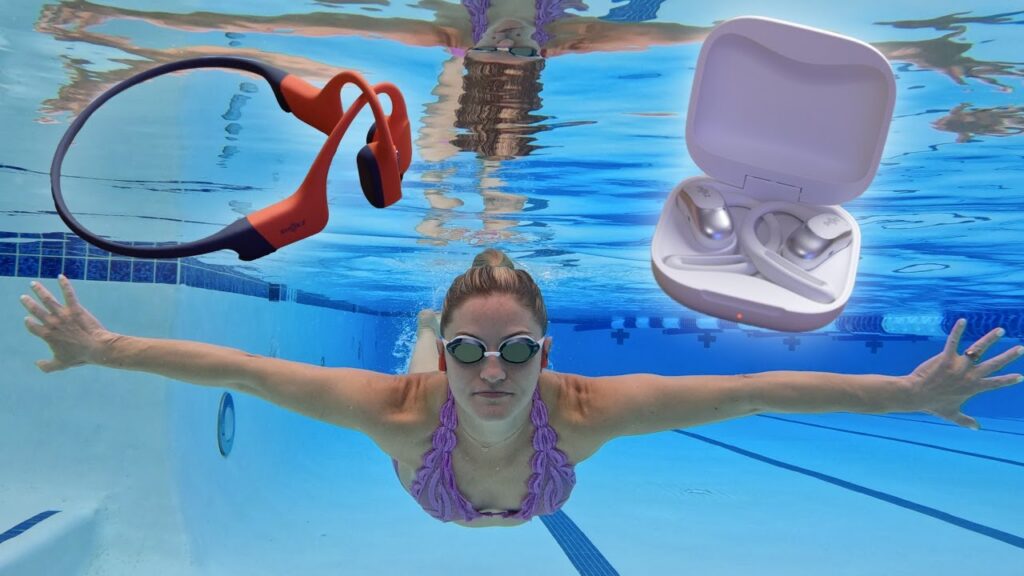
Finding the best swimming headphones means balancing waterproofing, fit, audio quality, and battery life, all while your head is submerged. Most standard earbuds fail within minutes of pool contact. True swimming headphones are purpose-built with IP68 or IPX8 ratings, meaning they survive depths of at least 3 meters.
In 2026, the market has matured fast. Bone conduction technology now dominates, stored MP3 playback has replaced unreliable underwater Bluetooth, and secure-fit designs have become non-negotiable. Whether you’re a lap swimmer, triathlete, or open-water athlete, this guide covers the seven best swimming headphones options available right now, from premium bone conduction picks to capable budget buys under $60.
1. Shokz OpenSwim Pro: Best Overall Swimming Headphones
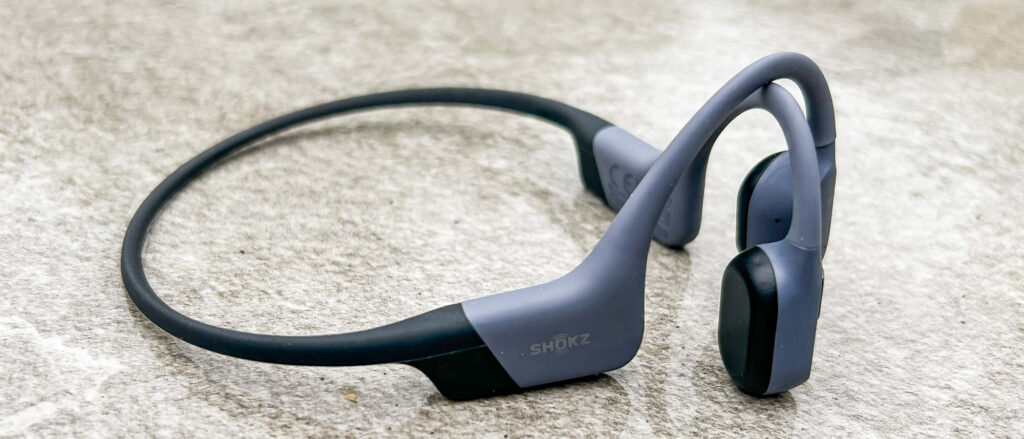
The Shokz OpenSwim Pro earns the top spot among best swimming headphones in 2026. It uses bone conduction technology to deliver audio through your cheekbones, leaving your ears completely open. That means no suction, no water-trapping ear canal pressure, and no discomfort during long sessions.
| Feature | Spec |
|---|---|
| Waterproof Rating | IP68 |
| Weight | 27g |
| Storage | 8GB |
| Battery Life | 10 hours |
| Bluetooth | No (stored MP3 only) |
| Best For | All swimmer types |
At just 27 grams, it’s lighter than most swim caps. The hydrodynamic profile keeps drag minimal even at competitive stroke rates. The 10-hour battery handles a full triathlon training week without a mid-week charge. Reviewers at TechRadar and Triathlete both rate it as a top-tier pick.
Note: The OpenSwim Pro does not support Bluetooth underwater. It stores and plays MP3 files directly from its 8GB onboard memory, which actually works better in the pool than any wireless connection would.
Why It Stands Out for All Swimmer Types
Most swimming headphones are built for one use case. The Shokz OpenSwim Pro works across all of them. Casual lap swimmers get unmatched comfort for 60-minute sessions. Competitive swimmers benefit from the hydrodynamic fit, which doesn’t shift during flip turns or butterfly strokes. Open-water athletes appreciate the situational awareness that open-ear bone conduction provides, you can still hear boats, coaches, or other swimmers.
For triathletes, the lightweight build makes transitions seamless. The IP68 rating holds up in chlorinated pools, open lakes, and even saltwater. If you want one pair of swimming headphones that works everywhere, the OpenSwim Pro is the clear answer. Among the best swimming headphones, the OpenSwim Pro delivers the most balanced mix of comfort, durability, and fit.
2. H2O Audio Interval Swim: Best Bluetooth Swimming Headphones
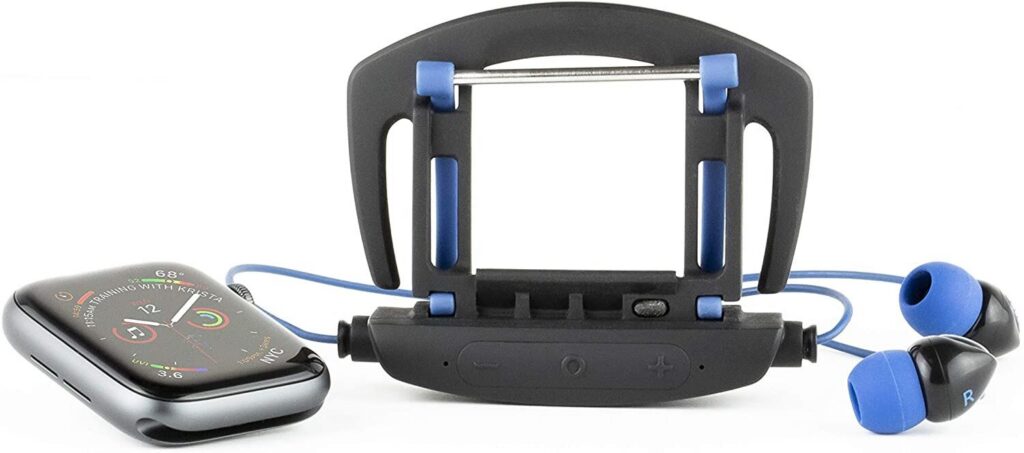
The H2O Audio Interval Swim is one of the best swimming headphones for swimmers who want Bluetooth built in. It carries an IPX8 rating (3-meter submersion), stores up to 8GB of music onboard, and delivers a bass-forward sound signature that makes high-intensity training sessions feel more energized.
| Feature | Spec |
|---|---|
| Waterproof Rating | IPX8 (3m) |
| Storage | 8GB |
| Bluetooth | Yes (above water) |
| Audio Profile | Bass-heavy |
| Best For | Swimmers wanting Bluetooth flexibility |
The Bluetooth connection works reliably poolside, great for syncing with your phone before a session. Once you’re underwater, it switches automatically to stored music. That’s actually the correct behavior: Bluetooth signals degrade almost entirely below the water surface, so any headphone claiming true underwater Bluetooth performance should be evaluated with skepticism.
Bluetooth vs. Stored Music: Which Mode Wins in the Pool?
The short answer: stored music wins every time underwater.
Bluetooth operates on 2.4GHz radio waves. Water absorbs these frequencies rapidly, causing signal dropout within 1–3 centimeters of submersion. No current consumer-grade swimming headphones can maintain a stable Bluetooth connection while your head is fully submerged.
Stored music, by contrast, plays without interruption regardless of depth. The H2O Audio Interval Swim handles both scenarios: Bluetooth for dryland warm-ups or gym cardio, and onboard MP3 playback once you’re in the water. That dual-mode flexibility is exactly what makes it the best Bluetooth swimming headphone pick in 2026. This is why the best swimming headphones rely on onboard MP3 playback instead of underwater Bluetooth.
3. Nank Runner Diver 2 Pro: Best Underwater Sports Headphones
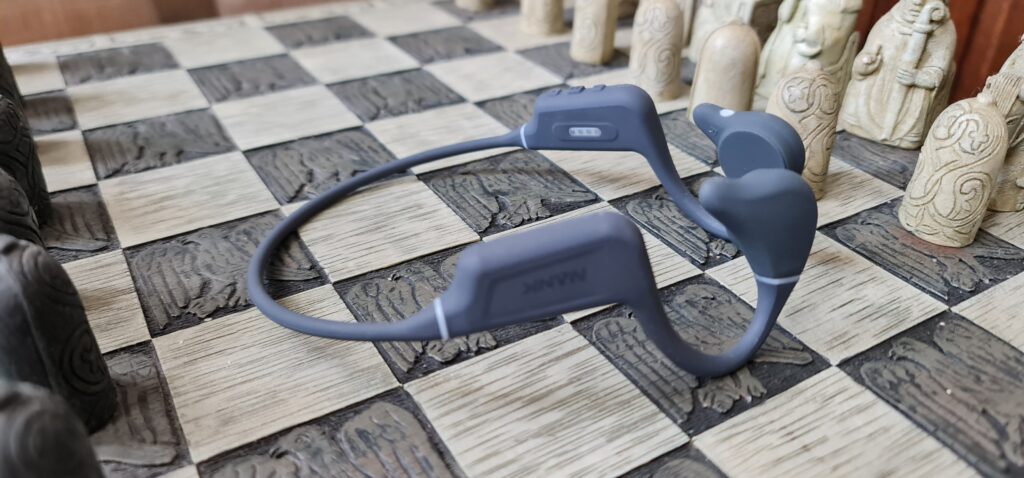
The Nank Runner Diver 2 Pro is built for multi-sport athletes who need swimming headphones that perform equally well during a run, bike ride, or open-water session. It uses bone conduction audio delivery with an IP68 waterproof rating, putting it in the same durability tier as the Shokz OpenSwim Pro.
| Feature | Spec |
|---|---|
| Waterproof Rating | IP68 |
| Technology | Bone conduction |
| Best For | Multi-sport athletes |
| Audio vs. Budget | Outperforms sub-$50 options |
What separates the Diver 2 Pro from cheaper alternatives is audio fidelity and fit stability. At moderate swim speeds, budget bone conduction headphones can vibrate loose or deliver muddied sound. The Diver 2 Pro maintains consistent audio clarity and physical stability across sprint intervals and open-water chop.
It’s listed in TechRadar’s quick picks for swimming headphones, a reliable signal that it meets baseline waterproof and performance standards real swimmers care about. If you’re splitting training time between the pool and dry-land sports and don’t want to carry two pairs of headphones, this is the one to grab.
4. Suunto Aqua: Best Swimming Headphones for Triathletes
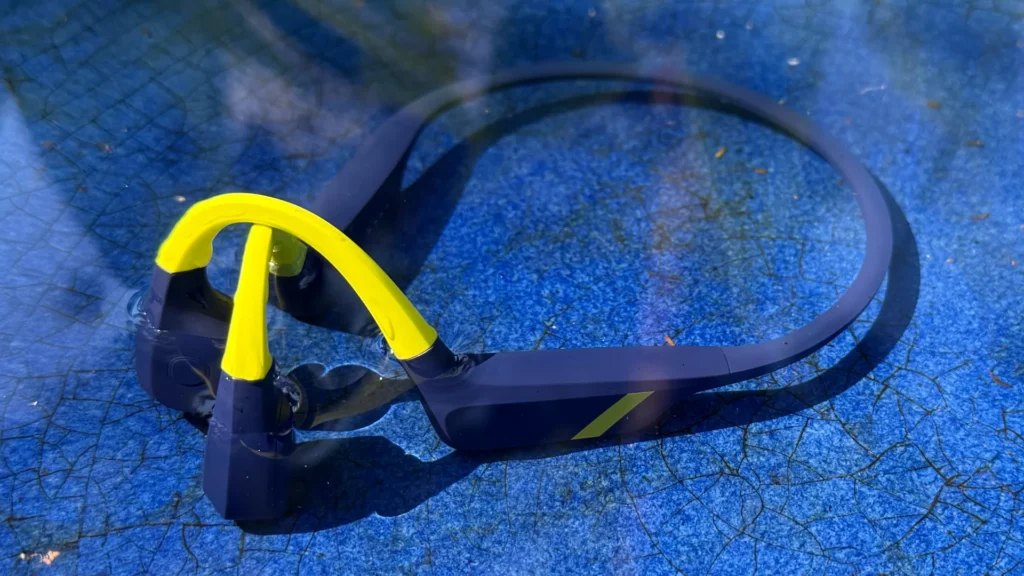
The Suunto Aqua is purpose-built for triathletes. It earns 4 out of 5 stars overall in Triathlete magazine reviews, with perfect 5-star scores in both comfort and sound isolation, two areas where most swimming headphones fall short under race-day pressure.
| Category | Rating |
|---|---|
| Overall | ★★★★ |
| Comfort | ★★★★★ |
| Sound Isolation | ★★★★★ |
| Swim-Specific Durability | ★★★★★ |
| Best For | Triathlon transitions |
Bone conduction technology drives the audio, and the design accounts for the specific challenges of triathlon: the headphones need to stay secure during open-water swims, survive a rapid T1 transition, and remain comfortable through a 40km bike leg and 10km run. The Suunto Aqua handles all three.
Sound isolation, scored at 5 stars, is especially useful for pool training where ambient noise (lane traffic, coaches, music from the facility speakers) can be distracting. If you’re a triathlete looking for swimming headphones that double as race-day and training gear, the Suunto Aqua was built for that exact scenario.
5. H2O Audio Ript Ultra: Best for Sound Quality While Swimming
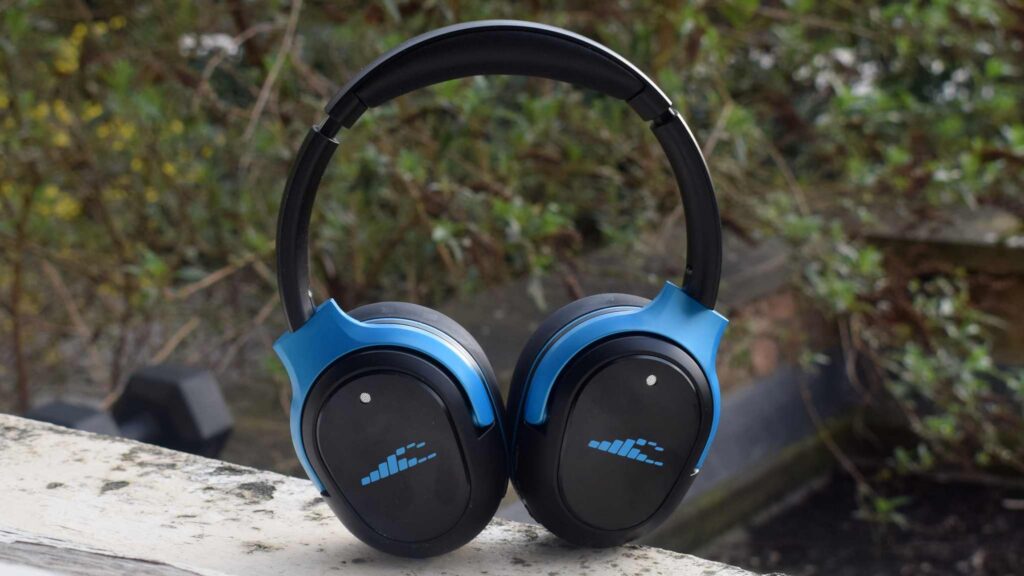
The H2O Audio Ript Ultra targets swimmers who prioritize audio quality over every other spec. In the pool, most headphones compromise on sound to hit price or waterproof targets. The Ript Ultra takes the opposite approach, its bass-forward tuning is designed specifically for the acoustic environment of a swimming pool, where water pressure and ambient noise work against clarity.
| Feature | Spec |
|---|---|
| Waterproof Rating | IPX8 |
| Audio Profile | Bass-forward, immersive |
| Price Range | ~$40 (Surge+ variant) |
| Best For | Swimmers who prioritize audio depth |
The H2O Surge+ variant, reviewed by YourSwimLog, has been praised as excellent value swimming headphones at roughly $40. The Ript Ultra builds on that foundation with improved low-frequency response that makes everything from hip-hop to EDM hit harder at the wall.
For competitive pool swimmers who spend 60–90 minutes per session in the water, audio quality directly affects motivation and pace consistency. The H2O Audio Ript Ultra delivers that without requiring a triple-digit price tag.
6. FINIS Duo: Best Value Swimming Headphones for Lap Swimmers
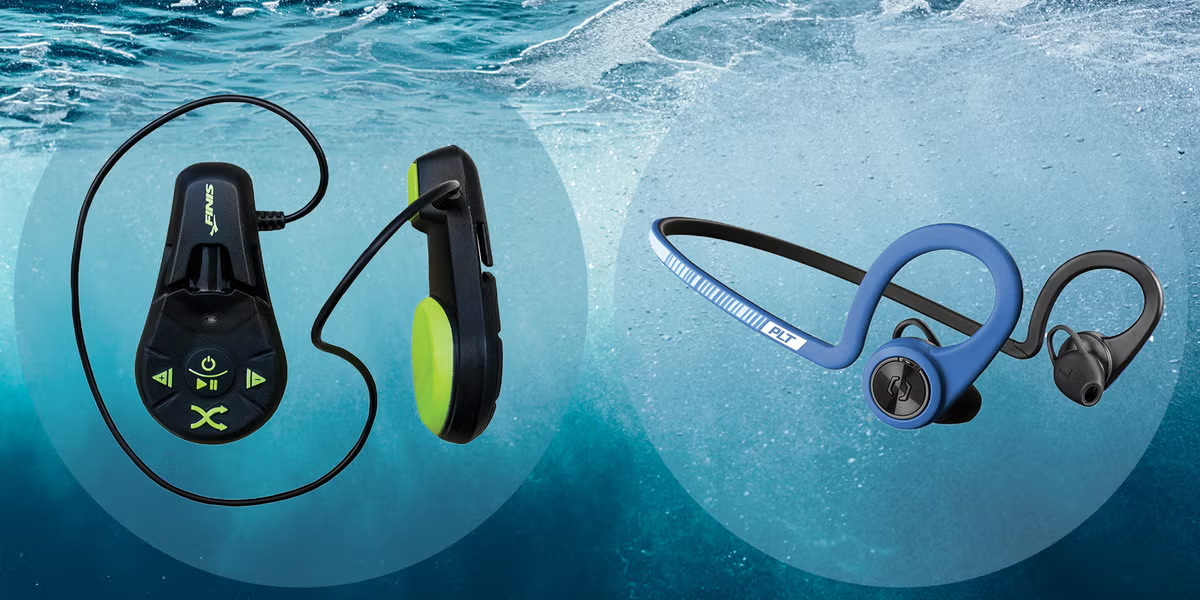
The FINIS Duo is one of the most trusted names in bone conduction swimming headphones, consistently ranked at the top of lap swimmer lists by YourSwimLog. It carries an IPX8 rating and delivers a secure, stable fit through thousands of flip turns without sliding out of position.
| Feature | Spec |
|---|---|
| Waterproof Rating | IPX8 |
| Technology | Bone conduction |
| Best For | Dedicated lap swimmers |
| Value Tier | Affordable vs. premium |
What makes the FINIS Duo stand out in a crowded category is reliability. Lap swimmers aren’t looking for exotic features, they want swimming headphones that show up, stay on, and sound decent across 40–50 laps. The Duo does exactly that.
Compared to the Shokz OpenSwim Pro, the Duo is more affordable and slightly less refined in audio tuning. But for a swimmer doing 5 morning sessions a week in a standard lap pool, the price-to-performance ratio is hard to beat. The FINIS Duo is one of the few swimming headphones that earns repeat purchases from serious lap swimmers, which says more than any spec sheet.
7. Tayogo Waterproof MP3 Player: Best Budget Swimming Headphones
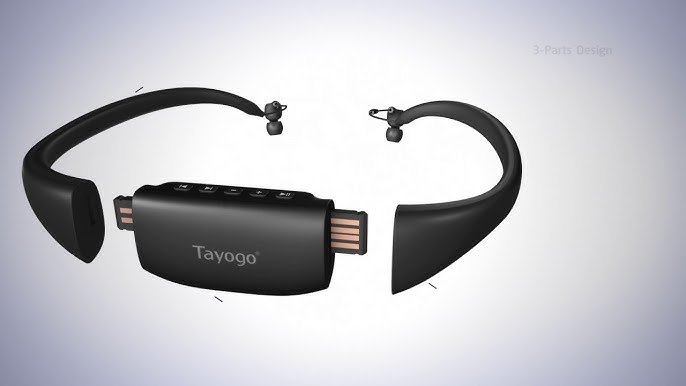
The Tayogo Waterproof MP3 Player is the best swimming headphone option for budget-conscious buyers who still want real waterproof performance. At around $58 (£43 in the UK), it delivers 8GB of storage (roughly 2,000 songs), an IPX8 rating rated to 3 meters, and a snug earbud fit with an adjustable headband, all without breaking the $60 ceiling.
| Feature | Spec |
|---|---|
| Price | ~$58 |
| Storage | 8GB (~2,000 songs) |
| Waterproof Rating | IPX8 (3m) |
| Extras | Ebook mode, onboard controls |
| Best For | Budget swimmers, beginners |
Highlighted by 220 Triathlon, the Tayogo includes onboard playback controls that work underwater and an ebook mode, useful for language learners or audio-book listeners who want to make long swim sessions more productive. For a swimmer logging 3 hours per week in the pool, saving $50–$100 over a premium model while retaining IPX8 protection is a legitimate value decision.
What You Sacrifice at a Lower Price Point
The Tayogo is genuinely capable, but the tradeoffs are real. Here’s what you give up compared to the Shokz OpenSwim Pro or Suunto Aqua:
- Bluetooth quality: The Tayogo’s Bluetooth is functional above water but noticeably less stable than premium options.
- Audio fidelity: Sound reproduction is adequate, not impressive. Bass response and midrange separation are both weaker.
- Build quality: The earbud housing and cabling feel less premium. Long-term durability past 12–18 months of daily use is a question mark.
- Comfort over distance: For sessions exceeding 90 minutes, the earbud-style fit creates more pressure fatigue than bone conduction alternatives.
If you’re new to swimming headphones and want to test the category before spending $130+, the Tayogo is a smart starting point.
Frequently Asked Questions About Swimming Headphones
What makes the best swimming headphones different from regular waterproof earbuds?
The best swimming headphones feature IP68 or IPX8 waterproof ratings (3+ meter submersion), specialized designs to prevent water-trapping, and audio technologies like bone conduction. They prioritize comfort during long sessions and stable fit through flip turns, unlike standard earbuds that fail within minutes of pool contact.
Is Bluetooth underwater connection possible in swimming headphones?
No. Bluetooth operates on 2.4GHz radio waves that water absorbs within 1–3 centimeters of submersion. All consumer swimming headphones switch to stored MP3 playback underwater. Bluetooth only works above water for syncing or dryland training. Any headphone claiming true underwater Bluetooth performance should be viewed skeptically.
Why is bone conduction technology preferred for swimming headphones?
Bone conduction delivers audio through your cheekbones, leaving ear canals completely open. This eliminates water-trapping suction, ear pressure discomfort, and allows situational awareness of boats or coaches. It’s ideal for lap swimmers, triathletes, and open-water athletes who need comfort and safety during extended underwater sessions.
Which swimming headphones are best for triathletes?
The Suunto Aqua is purpose-built for triathletes, earning 5-star scores in comfort and sound isolation. It stays secure during open-water swims, survives rapid T1 transitions, and remains comfortable through bike and run legs. Its bone conduction design and IPX8 waterproofing handle all three disciplines seamlessly.
What’s the difference between Shokz OpenSwim Pro and budget options like Tayogo?
The Shokz OpenSwim Pro ($130+) offers superior audio fidelity, bone conduction, 10-hour battery, and premium build quality. Tayogo (~$58) sacrifices Bluetooth stability, audio clarity, and long-term durability but delivers solid IPX8 waterproofing and storage. Choose budget models for testing the category; premium for serious swimmers.
How much storage do swimming headphones need for typical training sessions?
8GB storage is the standard across most swimming headphones, holding roughly 2,000 songs. This covers training sessions up to 60–90 minutes multiple times per week. For swimmers exceeding 90-minute sessions daily, 8GB provides 5–7 days of varied music before reloading tracks.