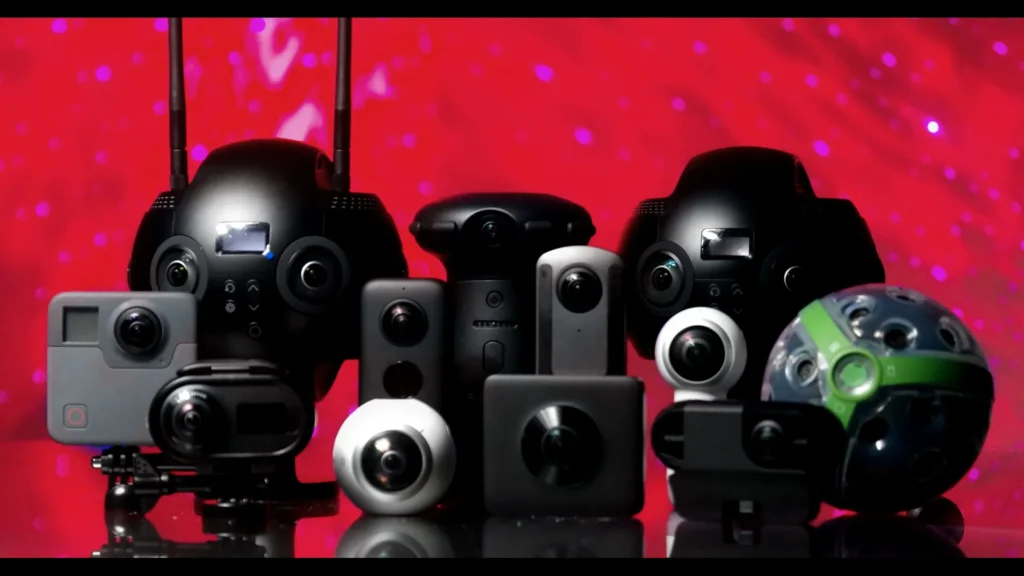
Choosing the best 360 camera comes down to matching sensor size, resolution, and stabilization to how you actually shoot. A traveler chasing scenic footage has different priorities than a motovlogger or a real estate agent capturing virtual tours. Below is a research-backed breakdown of the best 360 camera options available right now, along with a buying framework so you can pick the right one without guesswork.
Quick Comparison: Best 360 Camera Options at a Glance
| Camera | Best For | Max Video | Waterproof (no housing) | Approx. Price |
|---|---|---|---|---|
| Insta360 X5 | Overall best 360 camera | 8K30 | 49 ft (15 m) | $549–$630 |
| GoPro MAX2 | Action and sports | 8K (True 8K branding) | Rated for rugged use | $499–$570 |
| DJI Osmo 360 | Battery life and low light | 8K | Splash/water resistant | $479–$550 |
| Ricoh Theta Z1 | Real estate and VR stills | 4K (23MP stills) | Not waterproof | $999–$1,149 |
| KanDao QooCam 3 Ultra | Image quality and 10-bit color | 8K, 10-bit | Water resistant | $600–$700 |
| Insta360 X3 | Budget-friendly pick | 5.7K30 | 33 ft (10 m) | Under $300 |
Prices fluctuate by retailer and bundle, so treat this table as a general guide rather than a fixed price list.
1. Insta360 X5 – Best 360 Camera Overall
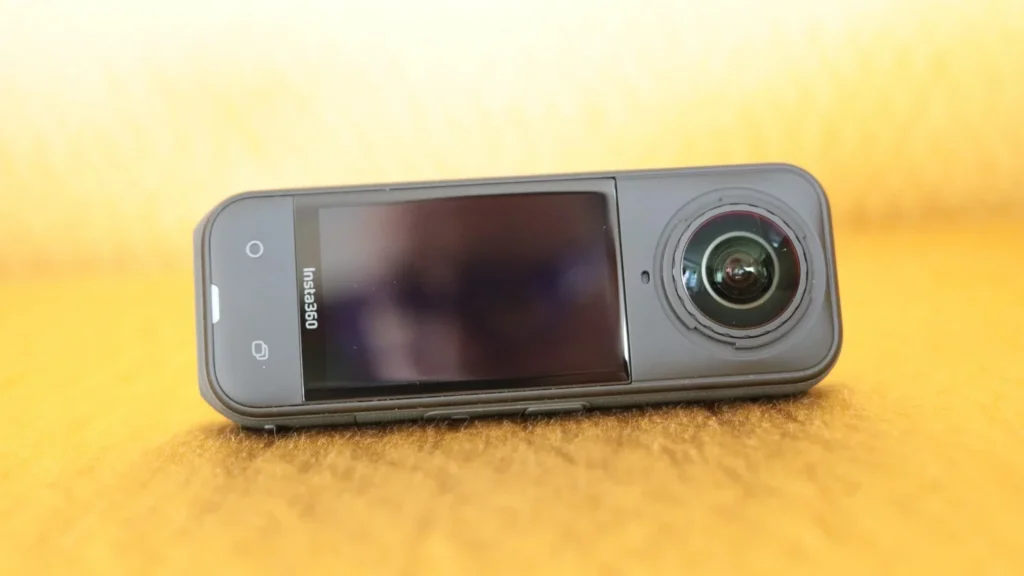
The Insta360 X5 is generally regarded as the best 360 camera for most people in 2026. It uses dual 1/1.28-inch sensors, a meaningful jump in sensor area over its predecessor, which typically translates to cleaner low-light footage. It records 8K video at 30 fps, 5.7K at 60 fps, and 4K at up to 120 fps for slow motion, and it captures 72MP still photos.
What sets this best 360 camera apart is its user-replaceable lens design, so a scratched or cracked lens no longer means replacing the whole unit. It’s also IPX8-rated to roughly 49 feet (15 meters) without a housing, and with the optional dive case it can go to about 197 feet (60 meters). A PureVideo AI mode, powered by a triple-chip processing system, is designed to improve footage shot in dim conditions.
Strengths: Mature mobile and desktop editing app, replaceable lenses, strong low-light performance, versatile frame rates.
Consider instead if: You need the absolute highest still-image resolution, where the QooCam 3 Ultra edges ahead.
2. GoPro MAX2 – Best 360 Camera for Sports and Action
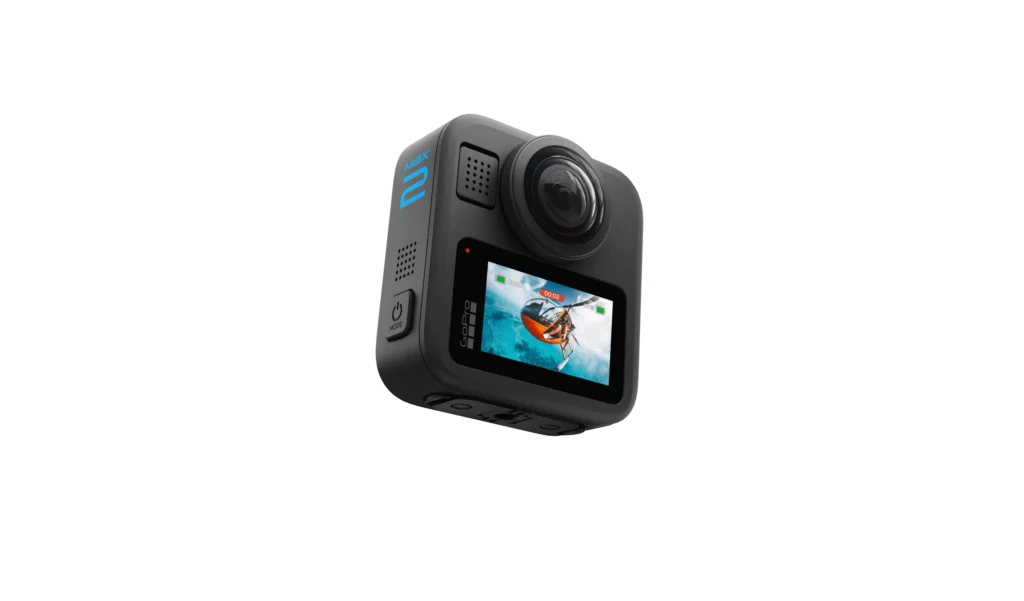
For athletes, motovloggers, and anyone who needs a rugged shooter, the GoPro MAX2 is typically the best 360 camera in the action category. It builds on GoPro’s HyperSmooth stabilization lineage, now applied to spherical capture, and supports GoPro’s “True 8K” video branding. Because it comes from GoPro’s action-camera heritage, it generally handles drops, impacts, and rapid movement better than cameras built primarily for stills or slower-paced content.
It also integrates with GoPro’s existing mounting ecosystem, which is a practical advantage if you already own GoPro mounts, chest harnesses, or helmet accessories.
Strengths: Rugged build, familiar GoPro mounting system, strong stabilization for fast motion.
Consider instead if: You want the most refined stitching or the largest sensor size; the X5 and QooCam 3 Ultra generally lead there.
3. DJI Osmo 360 – Best 360 Camera for Battery Life
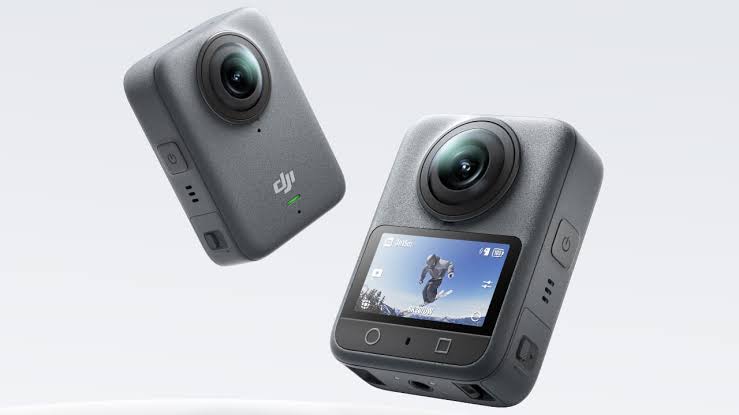
DJI’s first entry into the 360 camera space brings 1-inch square sensors, native 8K recording, and a battery life rated around 100 minutes, which is long for this category. That endurance makes it a practical best 360 camera choice for full-day shoots, hikes, or events where recharging isn’t convenient.
It also integrates with DJI’s microphone ecosystem, so if you already use DJI Mic accessories, audio syncing is more seamless than with competing brands. DJI Mimo, the companion app, includes D-Log color grading tools aimed at creators who want more control in post-production.
Strengths: Long battery life, large sensors, DJI mic integration, D-Log grading support.
Consider instead if: You’re already invested in Insta360’s or GoPro’s accessory ecosystem, since switching brands means new mounts and accessories.
4. Ricoh Theta Z1 – Best 360 Camera for Real Estate and VR Stills
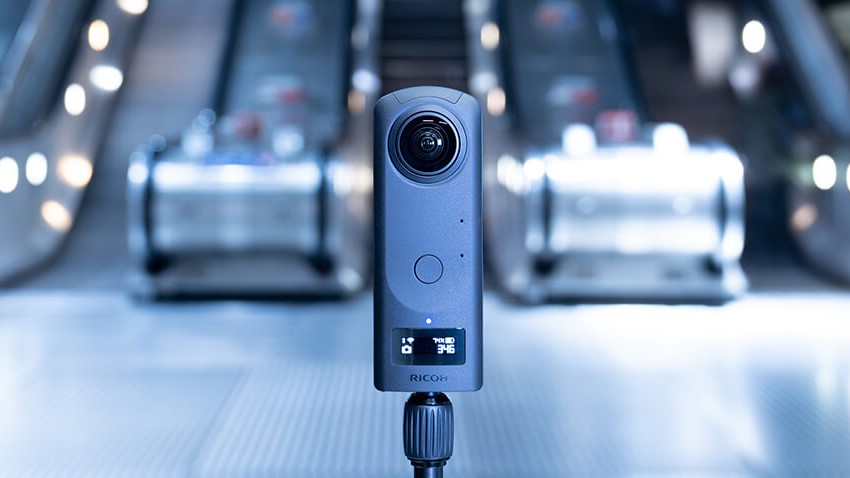
The Theta Z1 isn’t the newest release, but it remains one of the best 360 camera options specifically for virtual tours, listing photography, and Matterport-style workflows. It uses dual 1-inch back-illuminated CMOS sensors and captures 23MP spherical stills at 4K resolution (6720 x 3360), with manual aperture control (f/2.1, f/3.5, f/5.6) — a rare feature in consumer 360 cameras.
Its still-image quality and manual controls are why real estate agents and architectural photographers continue to rank it highly, even though its video specs trail behind newer flagships.
Strengths: Manual aperture control, excellent still-image detail, reliable for VR-ready property tours.
Consider instead if: Video is your primary use case; this camera is stills-first.
5. KanDao QooCam 3 Ultra – Best 360 Camera for Image Quality
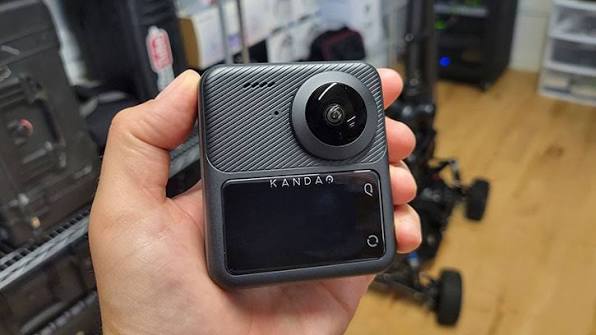
The QooCam 3 Ultra is a smaller step up in raw image quality compared to the X5. It offers faster lenses and 96MP photo capture, along with 8K video at 10-bit recording depth, which gives editors more flexibility in color grading. Built-in GPS is a useful extra for travel creators who want automatic location tagging.
The tradeoff is a less polished app experience compared to Insta360’s ecosystem, so this is generally a better best 360 camera pick for users comfortable with a steeper learning curve in exchange for image quality.
Strengths: High-resolution stills, 10-bit video, GPS tagging.
Consider instead if: You want the easiest editing workflow — the X5’s app is more beginner-friendly.
6. Insta360 X3 – Best Budget 360 Camera
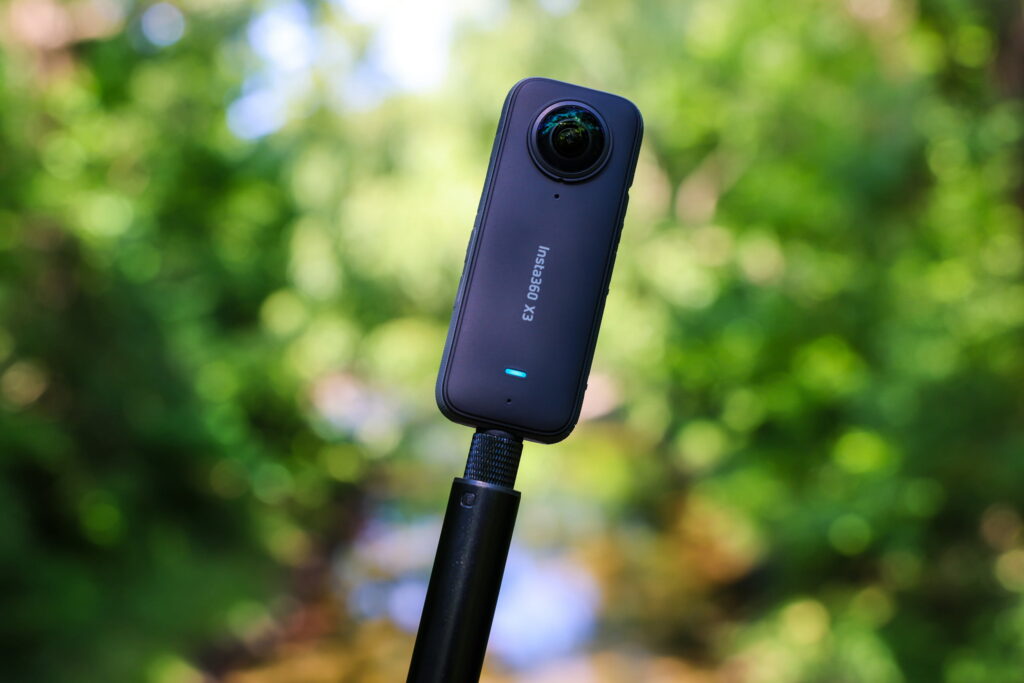
Even though it launched two generations back, the Insta360 X3 remains a smart sub-$300 buy. It records 5.7K video at 30 fps, is waterproof to about 33 feet (10 meters) without a housing, and runs on the same core FlowState stabilization technology used in newer models. For beginners or occasional users who don’t need 8K resolution, it’s often the best 360 camera value on the market.
Strengths: Low price, proven stabilization, simple app for beginners.
Consider instead if: You need 8K resolution or the largest sensor size available.
How to Choose the Best 360 Camera for Your Needs
For Travel
Prioritize battery life, waterproofing, and portability. The Insta360 X5 and DJI Osmo 360 both perform well here, since travel often means unpredictable weather and long days away from a charger.
For Vlogging
Look for a mature editing app and reliable stabilization, since vloggers typically shoot handheld while walking or talking. The Insta360 X5’s app ecosystem generally makes post-production faster.
For Sports
Ruggedness and stabilization under fast motion matter most. The GoPro MAX2 is generally the stronger pick given GoPro’s action-camera heritage and mount compatibility.
For VR Content
VR viewing benefits from higher resolution and accurate stitching. Cameras like the Ricoh Theta Z1 (for stills) and the Insta360 X5 or QooCam 3 Ultra (for video) tend to produce cleaner VR-ready footage because of larger sensors and better dynamic range.
Key Specs That Actually Matter When Comparing 360 Cameras
Not every spec on a box matters equally. When evaluating the best 360 camera for your situation, focus on these factors:
- Sensor size: Larger sensors (1-inch or close to it) generally collect more light, improving low-light and dynamic-range performance.
- Stitching quality: This determines how seamless the blend line between the two lenses looks. Poor stitching is more noticeable in scenes with nearby objects.
- Stabilization: FlowState (Insta360), HyperSmooth (GoPro), and RockSteady (DJI) are the three leading stabilization systems as of 2026, and all three are generally considered strong performers.
- Battery life: Ranges from roughly 60 to 100+ minutes depending on resolution and frame rate settings.
- App ecosystem: A well-built companion app can matter as much as the hardware, since 360 footage requires reframing before it’s watchable in a standard format.
360 Camera vs. Action Camera: Which Do You Actually Need?
This is a common point of confusion that most buying guides skip. A traditional action camera (like a standard GoPro Hero) captures a fixed field of view chosen at the time of recording. A 360 camera captures the entire sphere around it, letting you choose the framing afterward in editing.
The tradeoff is file size and post-production time. 360 footage requires reframing in an app before it looks like a normal video, which adds an editing step that fixed-lens action cameras don’t require. If you know your shot in advance (like a POV ski run), a standard action camera may be simpler. If you want flexibility to fix framing mistakes or create multiple angles from one take, the best 360 camera for you will always be a spherical model.
Accessories That Improve the 360 Camera Experience
Most buying guides stop at the camera itself, but a few accessories meaningfully change how usable your footage is:
- Invisible selfie stick: A thin selfie stick that gets stitched out of the 360 footage automatically, creating a “floating camera” effect. Creators who film sports or outdoor adventures may also benefit from using an action camera head mount for stable, hands-free POV footage in situations where a selfie stick isn’t practical.
- Dive case: Extends waterproof depth significantly beyond the camera’s stock rating, useful for snorkeling or diving.
- External microphone: Since 360 cameras are often mounted away from your mouth, an external or lapel mic generally improves audio clarity over the built-in mic.
- Fast microSD card: 8K footage requires high write speeds; a card rated below the camera manufacturer’s minimum spec can cause dropped frames.
Maintaining Your 360 Camera for Longer Life
A section rarely covered in other guides: lens care and firmware updates directly affect image quality over time. Wipe lenses with a microfiber cloth rather than clothing, since 360 lenses sit flush with the housing and scratch more easily than recessed action-camera lenses. Keep firmware updated, since manufacturers frequently release stitching-algorithm improvements after launch a camera’s stitching quality at release is not always its stitching quality a year later.
Frequently Asked Questions
Do I need special software to edit 360 camera footage?
Most manufacturers provide a dedicated app or desktop program (like Insta360 Studio or DJI Mimo) that handles reframing and stitching. Standard video editors can work with exported, already-reframed clips, but they typically can’t manipulate the raw spherical file.
Can a 360 camera replace a regular camera for everyday photography?
Not typically. A 360 camera is optimized for capturing the full surrounding scene, not for traditional composed photography with selective framing, depth of field control, or zoom. It’s a complementary tool rather than a full replacement.
How much storage does 360 footage use compared to regular video?
Significantly more. Because a 360 camera records the entire sphere at once, an 8K 360 file is generally comparable in data size to multiple angles of standard 4K footage, so a high-capacity, fast microSD card is worth budgeting for.
Is a 360 camera good for live streaming?
Some models support live streaming with real-time reframing, but this feature and its quality vary significantly by brand and app version, so it’s worth checking current specs before assuming a given model supports it out of the box.
Do 360 cameras work well in low light?
Performance varies by sensor size. Cameras with larger sensors, such as the Insta360 X5 or DJI Osmo 360, generally handle low light noticeably better than budget models with smaller sensors.
Final Thoughts
There is no single best 360 camera for everyone; the right choice depends on whether you prioritize battery life, ruggedness, still-image resolution, or editing simplicity. For most travelers, vloggers, and general content creators, the Insta360 X5 currently offers the most balanced mix of image quality, waterproofing, and app support. Athletes and action-sport creators are generally better served by the GoPro MAX2, while real estate professionals and VR-focused shooters may prefer the Ricoh Theta Z1 for its manual controls and still-image detail. Matching the camera to your specific use case, rather than chasing the highest spec sheet, is the most reliable way to find the best 360 camera for your needs.