
A marketing campaign often appears across multiple platforms, formats, and audience touchpoints. A social media post, website banner, promotional video, and advertising graphic may serve different purposes, yet customers should recognize them as parts of the same campaign. Maintaining visual consistency requires more than applying identical colors or logos. It involves controlling how images, layouts, lighting, typography, and creative elements work together. A well-defined visual direction gives every asset a recognizable identity while leaving enough room for creative variation.
Establish a Visual System Before Creating Campaign Assets
Define the Campaign’s Visual Identity
Every consistent campaign starts with a clear creative direction. Before producing individual assets, marketing teams should establish the visual characteristics that communicate the campaign’s central message. These might include a primary color palette, typography, photographic style, illustration approach, lighting preferences, and overall atmosphere. A luxury product launch, for example, might rely on restrained colors, refined compositions, and carefully controlled highlights. A summer promotion might take a brighter approach with energetic colors and open layouts. The important point is to make these decisions together. A documented visual identity gives designers and content creators a shared reference when developing materials for different channels.
Build a Reference Library Instead of Relying on Memory
Creative teams often produce campaign assets over several days or weeks. Different designers may also contribute to the same project. A reference library keeps essential visual decisions accessible throughout production. It should include approved campaign images, color values, typography examples, composition references, product appearances, and preferred lighting treatments. These materials create a practical visual standard that everyone can consult before creating new content. An ai image generator can also work from reference images, giving creators a visual starting point for new concepts. Kling AI supports reference-based generation, allowing IMAGE 3.0 to draw on the defining qualities of up to 10 reference images.
Identify Which Elements Must Remain Unchanged
Not every part of a campaign needs to look identical. The key is to distinguish fixed brand elements from flexible creative details. Logos, product appearance, signature colors, and recurring graphic treatments may require strict consistency. Backgrounds, camera angles, supporting objects, and image arrangements can change according to the content’s purpose. This distinction prevents a campaign from becoming visually repetitive while protecting its identity. For example, a product campaign might feature the same packaging and color treatment across several advertisements, but each image could present a different usage scenario. Clear creative boundaries make variation intentional rather than accidental.
Keep Every Channel Connected Through Controlled Creative Production
Adapt Composition to the Platform Without Changing the Identity
A campaign rarely appears in just one format. Website banners, vertical social media graphics, square promotional posts, and digital advertisements each have different spatial requirements. Designers should adapt the composition rather than simply crop the same image repeatedly. A wide banner might place the main subject toward one side to leave room for a headline, while a vertical graphic could position the subject centrally. Both formats should retain recognizable colors, lighting, and visual characteristics. Kling IMAGE 3.0 Omni supports varied framing and intentional shot progression across a cohesive image series, making it relevant when developing campaign visuals for multiple placements.
Control Variation Across Images and Creative Concepts
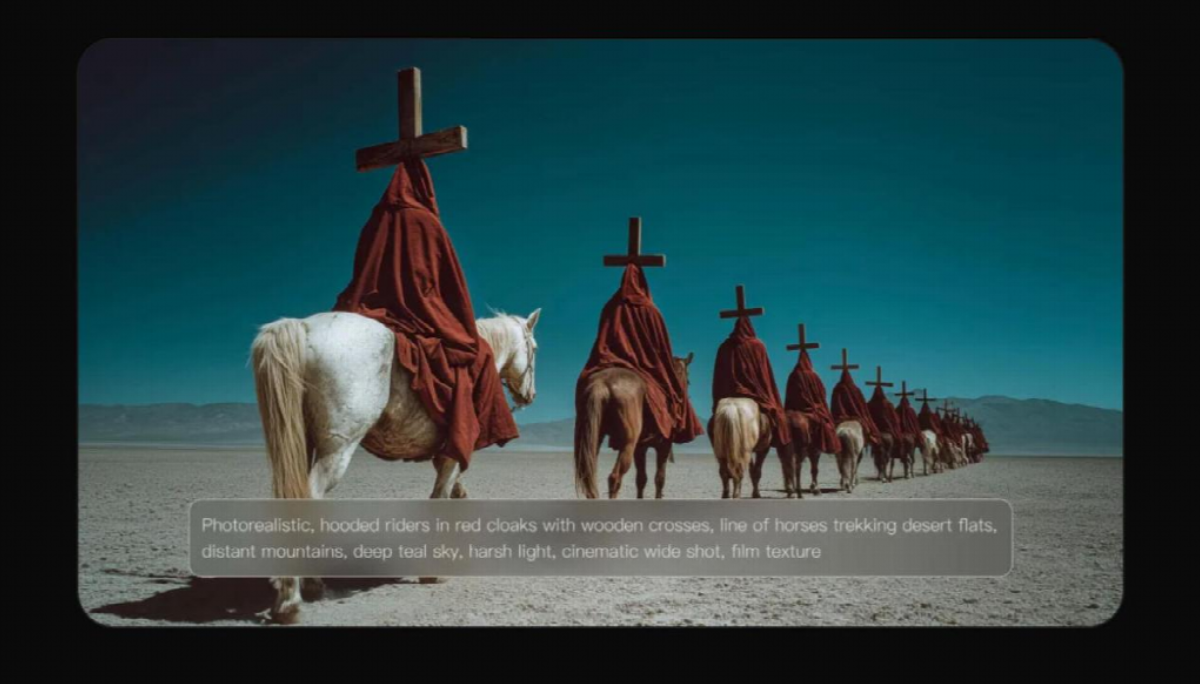
A strong campaign needs visual variety to maintain audience interest. However, introducing too many unrelated styles can weaken recognition. One practical approach is to establish a consistent visual foundation and vary one or two creative elements at a time. For instance, a travel campaign might retain its characteristic color palette and photographic treatment while exploring different destinations, activities, and compositions. This creates a connected collection rather than a series of unrelated advertisements. Kling AI allows creators to describe a scene and adjust composition, lighting, and visual details through prompts. Reference images can also preserve important characteristics while new creative directions take shape.
Create a Review Process for Every Campaign Asset
Visual consistency requires regular evaluation, not just careful planning at the beginning. Before publishing an asset, marketing teams should compare it with approved campaign materials. They should examine color balance, typography, logo placement, image treatment, subject proportions, and the overall atmosphere. It is also useful to review several assets together rather than judging each design independently. A collection might look attractive image by image but feel disconnected when displayed across a website or social media feed. Kling AI supports the creation of cohesive image series through IMAGE 3.0 Omni, which offers native 4K output for campaign visuals and other connected creative projects.
Conclusion
Maintaining visual consistency across a campaign means creating a recognizable identity while allowing individual assets to serve different purposes. A defined visual system, organized references, controlled creative variation, and regular design reviews establish that foundation. AI image generation adds another way to explore campaign concepts and develop connected visual materials. Kling AI brings prompt-based creation, reference integration, and cohesive image series into the creative process. The result is a more coordinated campaign in which every visual contributes to the same overall message.