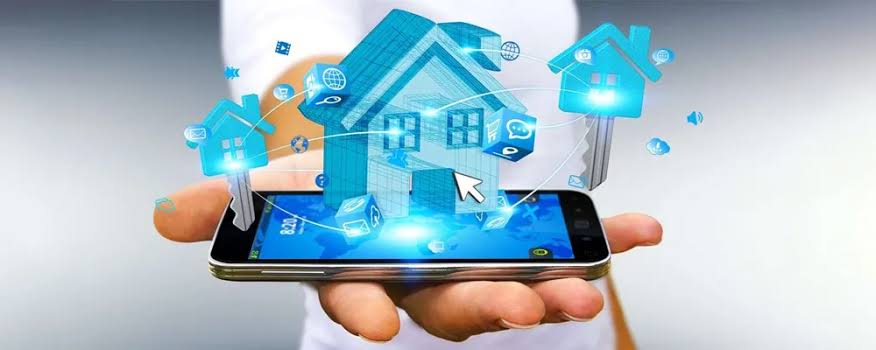
Not that long ago, a “smart home” sounded like something involving a wall full of futuristic screens and a fridge that insisted on talking to you. The reality has turned out to be much less dramatic — and arguably much more useful.
For most households, smart home technology has crept in one device at a time. A smart speaker appears in the kitchen. Someone replaces a light bulb. A video doorbell gets installed. Before long, several ordinary household jobs can be handled without getting off the couch.
The Best Smart Devices Solve Boring Problems
The novelty of switching a lamp on with your voice wears off fairly quickly. What lasts is the convenience.
Maybe you’ve already climbed into bed and realise the downstairs lights are still on. Perhaps you want the air conditioner running before you arrive home. Or you’d like to check whether a parcel has been left at the front door without walking outside.
None of these things is revolutionary. They’re just small annoyances that technology can remove from the day.
That tends to be where smart devices earn their keep.
Lighting Is an Easy Place to Start
Smart lighting remains one of the simplest ways to introduce connected technology into a home because it doesn’t require changing your entire routine.
You can still turn lights on normally, but you gain the option to control them remotely, put them on schedules or group several lights together.
A morning routine might gradually brighten the bedroom. Outdoor lights can switch on around sunset. The living room can be dimmed without somebody having to abandon their comfortable spot on the sofa.
It’s not particularly flashy, and that’s probably why it works.
The Front Door Has Become Much Smarter
Doorbells and security cameras are another category that’s become increasingly common.
Being able to see who’s at the door before answering is useful whether you’re upstairs, in the backyard or nowhere near home. Video doorbells can also help households keep an eye on deliveries, visitors and activity around the entrance.
Smart locks take the idea a step further. Depending on the setup, they can provide different ways to enter the home without relying entirely on a traditional key.
That can be handy when someone needs temporary access and you’d rather not hide a spare key under the pot plant — a security system that has fooled approximately nobody.
Smart Plugs Give Old Appliances New Tricks
Not everything needs to be replaced with a purpose-built smart version.
A smart plug can add basic remote control or scheduling to many existing electrical devices. Lamps, fans and other suitable appliances can suddenly operate on a routine without being inherently “smart” themselves.
It’s a relatively inexpensive way to experiment with home automation before committing to more substantial upgrades.
Compatibility Matters More as You Add Devices
The first smart device is usually easy. The fifth can be where things become messy.
Different brands may rely on different apps or ecosystems, so it’s worth thinking about compatibility before filling the house with connected products.
Ideally, the technology should make the home feel simpler rather than requiring you to remember which of seven apps controls the bedroom lamp.
That’s the real test of a useful smart home.
The most successful technology tends to fade into the background. You stop thinking about the device itself and simply appreciate that the lights come on when needed, the house is comfortable when you arrive, or you can check the front door from wherever you happen to be.
Less science fiction, more one fewer thing to worry about.