Best AI dubbing tool searches usually come down to one question: which platform gives you accurate translation, natural voice output, and fast video localization without slowing your workflow? If you want to dub YouTube videos, training modules, ads, courses, podcasts, or client content into multiple languages, the right platform can cut production time and help you reach global audiences faster.
This guide ranks the best AI dubbing tool options for 2026 based on voice realism, lip-sync quality, language coverage, workflow speed, scale, and pricing. You’ll see where each tool fits best, where it falls short, and how to choose the best AI dubbing tool for your specific content pipeline.
1. ElevenLabs: Best Overall For Natural-Sounding AI Dubbing
If voice quality is your top priority, ElevenLabs is the best AI dubbing tool for natural-sounding output. It stands out for realistic speech synthesis, strong voice cloning, and smooth multilingual dubbing across 29+ languages.
Why it ranks highly
ElevenLabs preserves speaker identity better than most tools. That matters when you want dubbed content to still sound like you rather than a generic synthetic narrator. It works especially well for podcasts, explainers, interviews, and creator-led videos.
Best features
- Ultra-realistic AI voices
- Voice cloning and speaker preservation
- Fast dubbing from uploaded audio or video
- Good fit for creator and studio workflows
- Managed services through ElevenStudios
Quick view
| Factor | Details |
|---|---|
| Languages | 29+ |
| Lip-sync | No native lip-sync |
| Starting price | Free tier / $22 month |
| Best for | Voice-driven content, podcasts, YouTube |
Pros and limits
Pros
- Excellent voice realism
- Strong emotional delivery
- Simple interface
Cons
- No native lip-sync tools
- Fewer built-in video presentation tools than some rivals
If your goal is lifelike multilingual voiceovers, ElevenLabs is a leading best AI dubbing tool candidate.
2. HeyGen: Best For Lip-Synced Video Dubbing
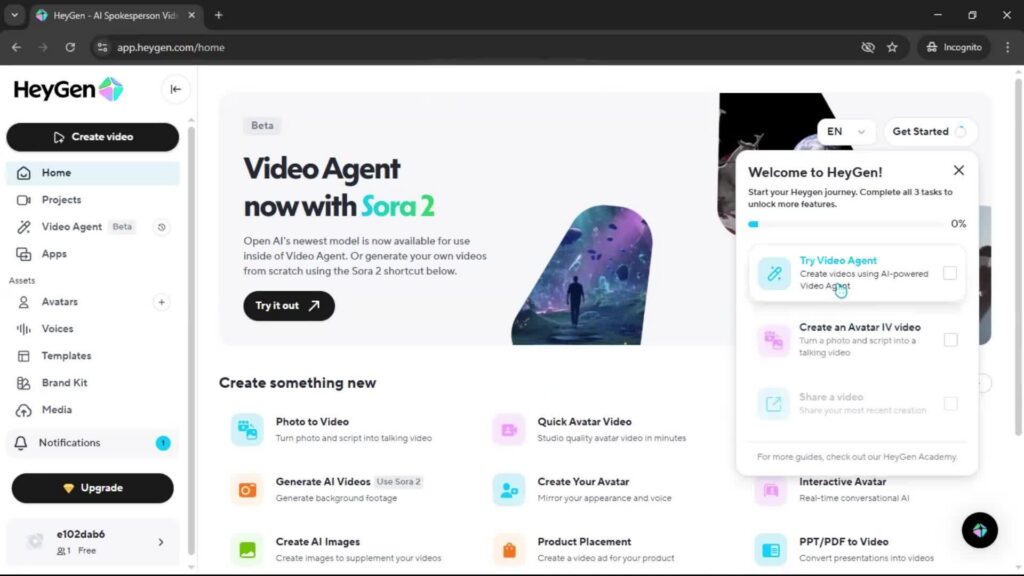
HeyGen is one of the strongest choices when visual realism matters as much as audio quality. If you create marketing videos, sales demos, or social media clips, this best AI dubbing tool option deserves attention.
Why creators choose HeyGen
HeyGen syncs translated speech to on-screen mouth movement, which helps dubbed videos feel native instead of obviously translated, especially for modern AI video localization workflows. That is a major advantage for brand videos and short-form campaigns.
Best features
- Lip-synced dubbing in 40+ languages
- Avatar video support
- Fast turnaround for marketing teams
- Clean browser-based workflow
| Factor | Details |
|---|---|
| Languages | 40+ |
| Lip-sync | Yes, strong |
| Starting price | $29 month |
| Best for | Marketing videos, social clips, brand content |
Pros and limits
Pros
- Convincing lip-sync
- Easy for non-editors to use
- Good for polished customer-facing content
Cons
- Less ideal for highly complex post-production pipelines
- Voice cloning depth is not its main strength
For face-forward video content, HeyGen is often the best AI dubbing tool when you need translated speech and believable on-screen delivery in one system.
3. Synthesia: Best For Training, Marketing, And Business Content
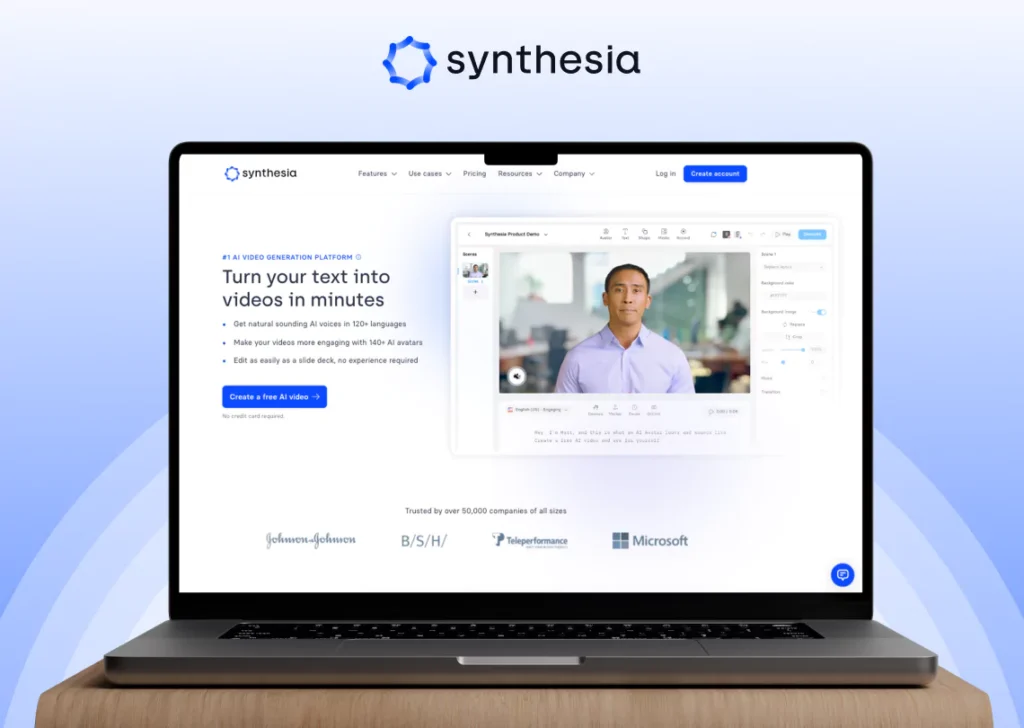
Synthesia is a strong all-around platform for companies that need multilingual training, onboarding, internal communications, and marketing videos at scale. For many teams, it is the best AI dubbing tool for structured business use.
Where Synthesia stands out
Synthesia supports 130+ languages and accents, offers strong lip-sync, preserves tone well, and includes subtitles. It also performs well for repeatable workflows, such as course libraries or multilingual product education.
Best features
- 130+ languages and accents
- Flawless lip-sync for many use cases
- Speaker tone preservation
- Subtitles and business-ready templates
- Human QA support for natural flow
| Factor | Details |
|---|---|
| Languages | 130+ |
| Lip-sync | Yes |
| Starting price | $29 month |
| Best for | Training, L&D, marketing, business communication |
Pros and limits
Pros
- Excellent language coverage
- Strong business workflow support
- Good consistency across large content libraries
Cons
- Can feel more business-focused than creator-focused
- Some users may want more custom voice control
If you need repeatable multilingual video production, Synthesia is a practical best AI dubbing tool pick.
4. Rask AI: Best For High-Volume Multilingual Localization
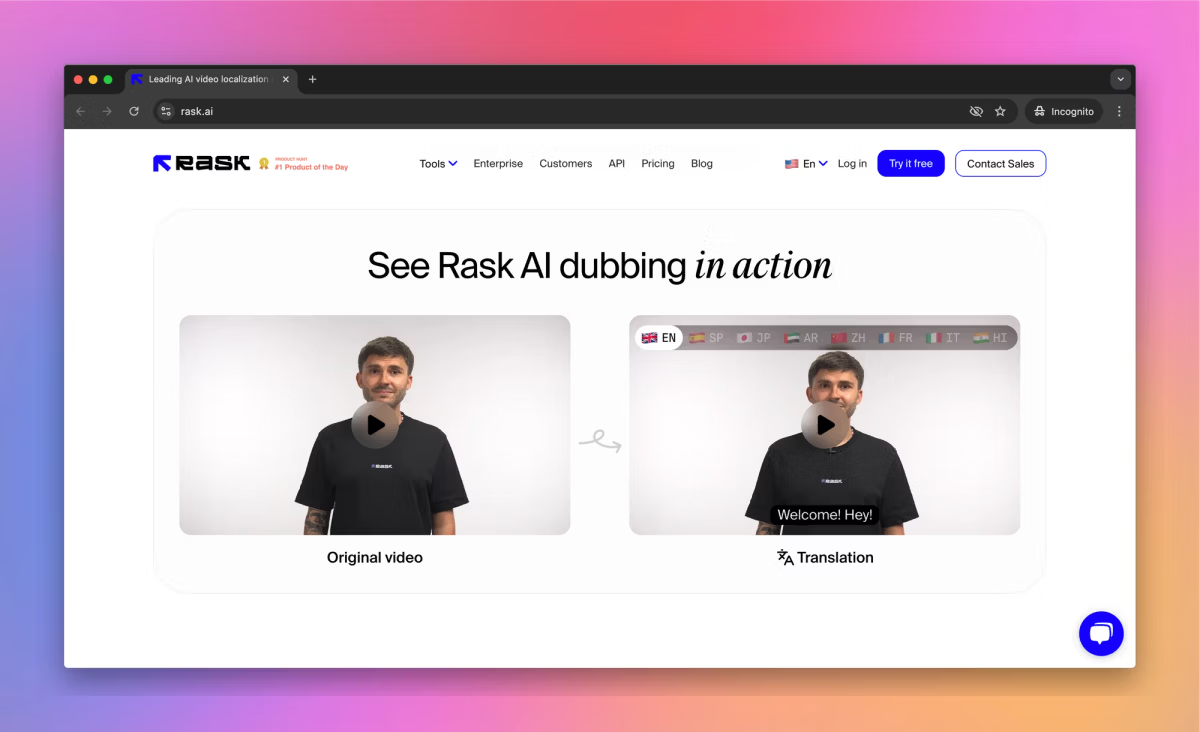
Rask AI is built for volume. If you run an agency, media operation, course business, or enterprise localization team, this best AI dubbing tool option is designed for throughput and scale.
Why Rask AI fits large workloads
Rask AI supports 100+ languages and focuses on bulk processing, subtitle generation, and API-friendly localization. That makes it useful when you need to process many assets instead of polishing one hero video at a time.
Best features
- 100+ languages
- Bulk localization workflows
- Subtitle and translation support
- API integration for production pipelines
- Good fit for enterprise teams
| Factor | Details |
|---|---|
| Languages | 100+ |
| Lip-sync | Limited compared with leaders |
| Starting price | Custom / from $49 month |
| Best for | Agencies, enterprises, large video libraries |
Pros and limits
Pros
- Built for scale
- Good automation potential
- Useful for multilingual distribution
Cons
- Not the top choice for premium lip-sync
- May be more than smaller creators need
If speed, batch processing, and operational scale matter most, Rask AI may be your best AI dubbing tool choice.
5. Dubverse: Best For Fast Turnaround And Simpler Workflows
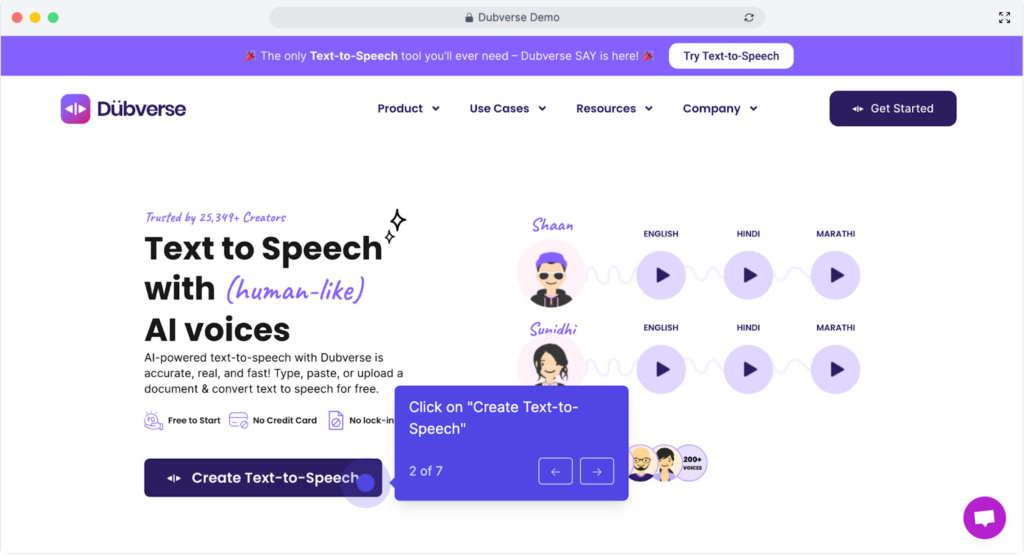
Dubverse is a strong fit if you want quick results without a heavy learning curve. It earns its place on any best AI dubbing tool shortlist because it balances speed, simplicity, and useful automation.
What makes Dubverse appealing
Dubverse supports 30+ languages, automatic subtitles, and AI voice generation in a workflow that feels approachable. It is a practical option for YouTubers, small teams, educators, and startups.
Best features
- Fast multilingual dubbing
- Auto-subtitles
- Simple user interface
- API support for lightweight automation
- Good turnaround for short-form content
| Factor | Details |
|---|---|
| Languages | 30+ |
| Lip-sync | Basic |
| Starting price | $20 month |
| Best for | Small teams, creators, quick projects |
Pros and limits
Pros
- Easy to learn
- Budget-friendly entry point
- Good for quick publishing cycles
Cons
- Lip-sync is less advanced
- Fewer premium controls than enterprise tools
If you need usable results fast, Dubverse is a smart best AI dubbing tool option that keeps production moving.
6. Papercup: Best For Broadcast-Style And Premium Video Localization
Papercup focuses on premium localization. It combines AI dubbing with human quality review, which makes it a strong best AI dubbing tool candidate for publishers, brands, and media companies that care about phrasing, pacing, and timing.
Why Papercup stands out
Papercup is known for broadcast-style output and high-quality localization in 70+ languages. Its hybrid model helps improve naturalness where pure automation can still sound flat or rushed.
Best features
- 70+ languages
- Human-AI hybrid workflow
- Strong lip-sync and timing quality
- Better fit for premium content libraries
| Factor | Details |
|---|---|
| Languages | 70+ |
| Lip-sync | Strong |
| Starting price | $25 month |
| Best for | Publishers, premium brands, broadcast-style video |
Pros and limits
Pros
- Higher quality control
- Good phrasing and timing
- Strong for polished viewer-facing content
Cons
- May be slower than fully automated tools
- Better suited to teams with quality budgets
For higher-stakes localization, Papercup is a credible best AI dubbing tool for premium output.
7. Deepdub: Best For Enterprise-Grade Dubbing And Media Workflows
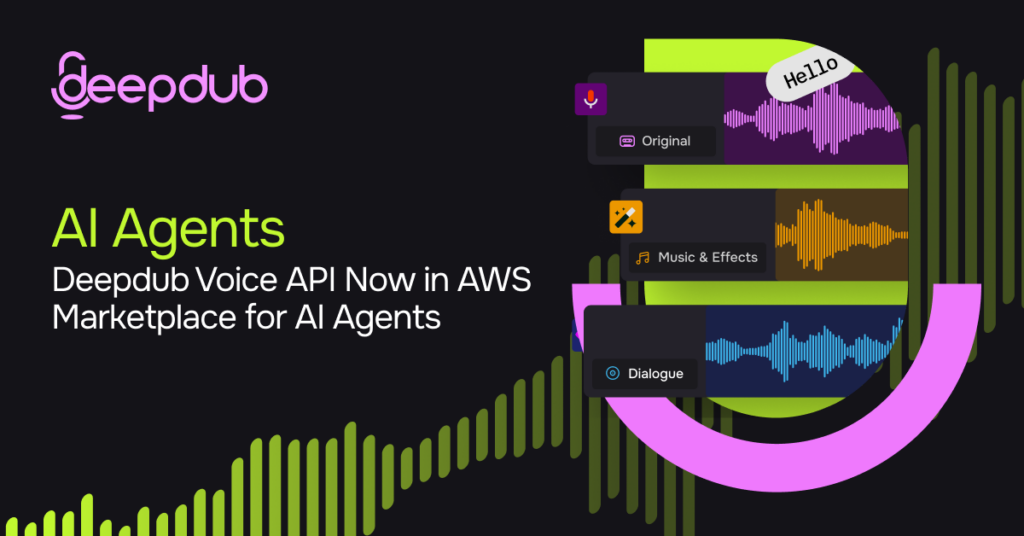
Deepdub targets professional media environments. If you work in film, TV, streaming, or large-scale media localization, it can be the best AI dubbing tool for advanced dubbing operations.
Where Deepdub fits best
Deepdub supports 50+ languages and emphasizes high-accuracy dubbing with lip-sync for entertainment and studio workflows. It is geared more toward enterprise media production than casual creator use.
Best features
- 50+ languages
- Lip-sync for TV and film use cases
- Enterprise workflow support
- Strong media production focus
| Factor | Details |
|---|---|
| Languages | 50+ |
| Lip-sync | Yes |
| Starting price | Custom enterprise pricing |
| Best for | Film, TV, studios, streaming workflows |
Pros and limits
Pros
- Strong media orientation
- Good for professional dubbing teams
- Suitable for complex review pipelines
Cons
- Pricing is less accessible
- Overkill for many solo creators
Deepdub is not the cheapest best AI dubbing tool on this list, but it makes sense for serious media production.
8. Resemble AI: Best For Voice Cloning Control And Customization
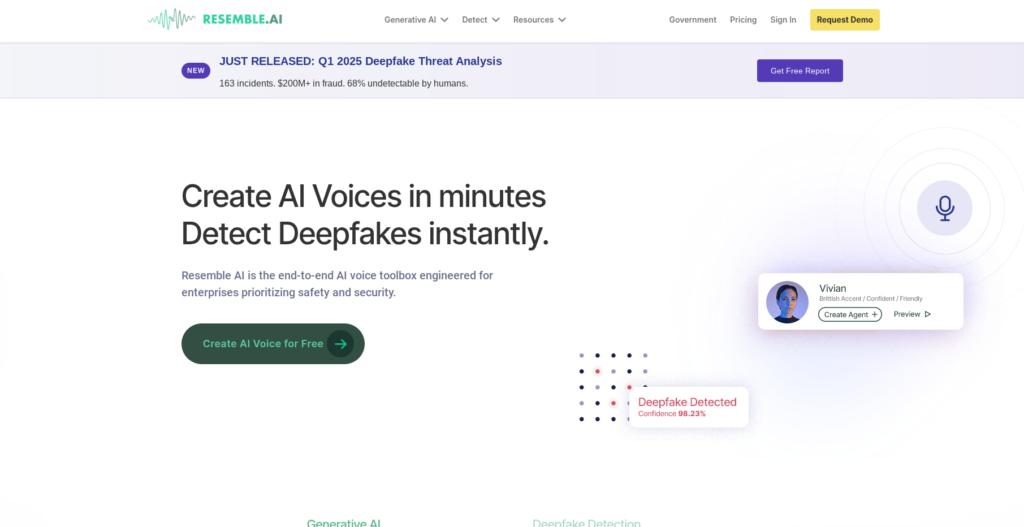
Resemble AI is the right pick when custom voice control matters more than built-in lip-sync. It is a compelling best AI dubbing tool for teams that want brand voice consistency, emotional speech control, or custom voice projects.
Why Resemble AI is different
Resemble AI offers emotion-aware voice cloning in 30+ languages. That makes it useful for branded content, interactive experiences, character work, and projects where voice identity is central.
Best features
- Emotion-controlled voice cloning
- 30+ languages
- Strong customization options
- Useful for branded voice design
| Factor | Details |
|---|---|
| Languages | 30+ |
| Lip-sync | No native focus |
| Starting price | $30 month |
| Best for | Custom voices, branded narration, voice design |
Pros and limits
Pros
- Excellent voice control
- Good for branded audio experiences
- Useful for custom production setups
Cons
- No standout native lip-sync layer
- Better for audio-first needs than full video localization
If voice identity is your priority, Resemble AI may be the best AI dubbing tool for your workflow.
How To Choose The Best AI Dubbing Tool For Your Needs
The best AI dubbing tool depends on your content type, audience, budget, and production process. Start with the basics below.
Match the tool to your main goal
| Your priority | Best picks |
|---|---|
| Most natural voice | ElevenLabs, Resemble AI |
| Best lip-sync | HeyGen, Synthesia, Papercup |
| Largest language coverage | Synthesia, Rask AI |
| Enterprise media workflow | Deepdub, Papercup |
| Fast and simple publishing | Dubverse |
Check these five factors
- Language coverage: Make sure the platform supports your target markets and dialects.
- Lip-sync quality: Important for on-camera video, less critical for podcasts or faceless content.
- Voice preservation: Essential if you want your dubbed video to sound like the original speaker.
- Workflow fit: Look for subtitle export, API access, speaker separation, and editing controls.
- Cost at scale: A low starter price can rise quickly with minutes, seats, or enterprise usage.
A less-discussed test that saves money
Before you commit, run the same 60-second clip through three tools. Compare:
- proper noun pronunciation
- pause timing
- subtitle segmentation
- emotional tone retention
- translation of slang or product terms
That short A/B test often reveals your true best AI dubbing tool faster than feature pages do.
Conclusion
The best AI dubbing tool for you is not always the one with the most languages or the flashiest feature list. If you want the most natural voices, start with ElevenLabs. If lip-sync matters most, look at HeyGen or Synthesia. If you manage premium or enterprise localization, Papercup, Rask AI, and Deepdub deserve a close look. And if custom voice control is the priority, Resemble AI stands out. Test your top two or three options on real content, not demo clips. That is the fastest way to find the best AI dubbing tool for your audience, workflow, and budget.
Best AI Dubbing Tool – Frequently Asked Questions
What is the best AI dubbing tool for natural-sounding voices?
ElevenLabs is the best AI dubbing tool for ultra-realistic, natural-sounding voice output, supporting 29+ languages and preserving the original speaker’s identity, ideal for podcasts and creator-led videos.
Which AI dubbing tools provide strong lip-sync for video content?
HeyGen, Synthesia, and Papercup are top AI dubbing tools with strong lip-sync capabilities, suitable for marketing videos, training content, and premium video localization respectively.
How do I choose the best AI dubbing tool for my video project?
Choose based on your priorities: voice realism favors ElevenLabs; lip-sync quality is best with HeyGen or Synthesia; large language support favors Synthesia or Rask AI; enterprise workflows suit Deepdub or Papercup; for quick and simple dubbing, Dubverse is ideal.
Can AI dubbing tools handle multiple languages and accents?
Yes, tools like Synthesia support over 130 languages and accents, Rask AI covers 100+, and Papercup offers 70+ languages, enabling extensive multilingual video localization.
What makes Resemble AI unique among AI dubbing tools?
Resemble AI specializes in emotion-controlled voice cloning and offers deep customization for branded voice projects in 30+ languages, focusing on voice identity rather than lip-sync.
Is there a recommended way to test AI dubbing tools before committing?
Yes, testing a short clip across multiple tools helps compare pronunciation, timing, subtitle accuracy, emotional tone, and translation quality to identify the best AI dubbing tool for your workflow and budget.